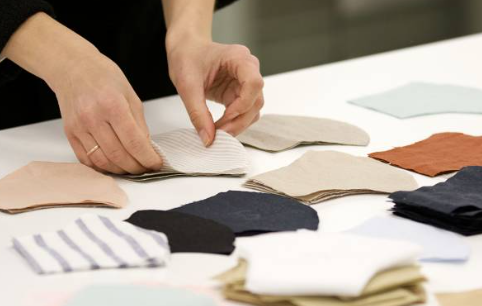
Deconstructing Fashion: The Role of Materials in Modern Clothing
Fashion is not merely about the aesthetics of garments; it’s a complex interplay of design, culture, and, perhaps most importantly, materials. As styles evolve over time, so too do the materials that shape them. One such example is the Charleston style, which is known for its bold patterns and flapper silhouettes that flourished during the 1920s. Modern fashion has repurposed elements from this iconic era, but the emphasis has shifted towards sustainable and innovative materials that align with today’s values.
The Evolution of Fashion Materials
Historically, materials used in clothing were dictated by availability and geography. Natural fibers such as cotton, wool, and silk dominated the industry. However, as technology progressed, synthetic materials like polyester and nylon emerged, offering unparalleled versatility and functionality. This shift allowed designers to experiment more freely, leading to the diverse fashion landscape we see today.
In recent years, there has been a resurgence in appreciating traditional materials due to a growing awareness of sustainability. Consumers are becoming more discerning about their clothing choices, aiming for items that not only look good but also minimize environmental impact. This has given rise to various sustainable options, including organic cotton, Tencel, and recycled polyester.
Sustainable Fabrics: A Fashion Revolution
In the quest for sustainable fashion, the choice of materials plays a crucial role. Here are a few innovative options reshaping the industry:
- Organic Cotton: Grown without synthetic pesticides, this fabric is not only eco-friendly but also more durable.
- Hemp: A fast-growing plant that requires minimal water, hemp fibers are exceptionally strong and biodegradable.
- Recycled Fabrics: Made from post-consumer plastic waste, recycled materials help reduce landfill waste while also creating stylish clothing.
- Tencel: Derived from sustainable wood sources, Tencel is soft, breathable, and biodegradable.
These materials not only provide an alternative to conventional textiles but also align with the modern consumer’s desire for ethical fashion. The impact of choosing sustainable fabrics extends beyond individual garments; it influences the entire supply chain, pushing brands to adopt more conscious practices.
The Influence of Technology on Materials
Beyond the focus on sustainability, technology has greatly transformed the way materials are developed and used in fashion. Innovations such as 3D printing and smart textiles have opened new avenues for designers. 3D printing allows for the creation of intricate designs that were once unimaginable. Meanwhile, smart textiles can adapt to various conditions, making them highly functional for activewear and specialized clothing.
Some notable advancements include:
- Breathable Fabrics: Used in athletic gear, these materials enhance comfort and performance.
- UV-Protective Materials: With growing concerns about skin protection, fabrics that block harmful UV rays have gained traction.
- Self-Cleaning Textiles: Innovations in nanotechnology have led to fabrics that repel stains, thus reducing the need for frequent washing.