A Deep Dive into Iconic Looks in Goth and Rock History
The Origins of Goth and Rock Fashion
The origins of goth and rock fashion can be traced back to the late 1970s and early 1980s, an era marked by rebellion and self-expression. The punk movement laid the foundation for these styles, which emphasized individuality and a countercultural identity. As punk evolved into goth, distinct aesthetics emerged, combining elements of dark romanticism, Victorian influences, and a fascination with the macabre. Meanwhile, rock fashion drew influences from various musical genres, notably glam rock, blues, and heavy metal, creating a multifaceted style that appealed to diverse audiences.
Essential Elements of Goth Fashion
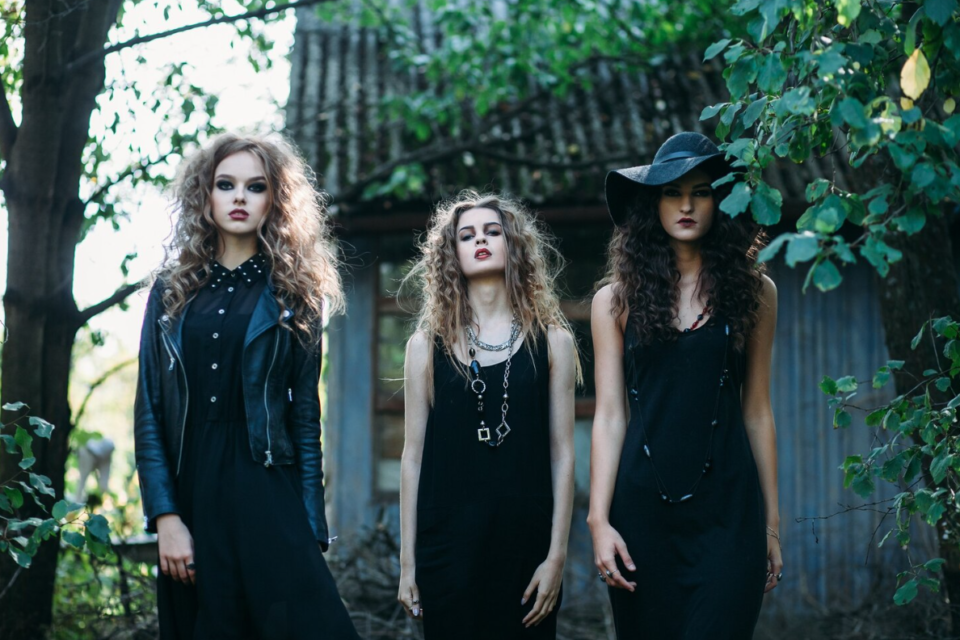
Goth fashion is characterized by several iconic elements that convey its dark, enchanting ethos. Some of these key components include:
- Black Clothing: The most defining feature, black clothing serves as a canvas for expressing emotion and individuality.
- Lace and Velvet: These luxurious materials are often incorporated to add a gothic romantic feel, emphasizing a connection to the past.
- Layers: Layering is fundamental, often involving long coats, capes, and skirts, creating a sense of drama and fluidity.
- Accessories: Chunky jewelry, chokers, and fingerless gloves enhance the overall gothic look, adding personal flair.
Each piece embodies the gothnrock gothic fashion philosophy of embracing darkness while celebrating the beauty found within it.
Iconic Looks in Rock History
Rock music has generated a plethora of memorable looks that have left an indelible mark on fashion. Artists have experimented with their styles, giving rise to fashion trends that continue to influence today’s wardrobes. Some noteworthy figures and their signature looks include:
- David Bowie: Known for his alter ego Ziggy Stardust, Bowie’s androgynous outfits, glittering jumpsuits, and bold makeup set the stage for glam rock fashion.
- Freddie Mercury: The Queen frontman was famous for his flamboyant outfits, including tight leather trousers, vibrant tank tops, and a signature mustache that became emblematic of rock royalty.
- Janis Joplin: With her bohemian style, Joplin introduced a free-spirited wardrobe of flowing dresses, statement beads, and oversized hats, redefining femininity in rock.
- Kurt Cobain: A figurehead of grunge, Cobain’s thrift-store aesthetic of flannel shirts, ripped jeans, and Converse sneakers became synonymous with 90s youth culture.
Deepening the Connection: Gothnrock Gothic Fashion Today
As society evolves, so does fashion. The gothnrock gothic fashion landscape has experienced a revival in recent years, melding vintage aesthetics with contemporary influences. Modern designers and streetwear brands have embraced gothic elements, achieving a balance between nostalgia and innovation.
Today, social media platforms serve as a canvas for individuals to showcase their unique interpretations of goth and rock styles. Influencers and enthusiasts alike share outfits that incorporate classic motifs alongside modern twists, fostering a community that celebrates diversity within gothic and rock fashion.
The Resilient Legacy of Goth and Rock Fashion
The impact of gothnrock gothic fashion on society extends beyond clothing; it challenges norms and encourages self-expression. From the stark contrasts of goth aesthetics to the flamboyant exuberance of rock styles, these looks have democratized fashion, allowing anyone to explore their identity through clothing.
As we continue to revise and reinterpret iconic styles, the essence of goth and rock fashion remains intact—rooted in the ethos of rebellion, creativity, and individualism. The influence of these movements will surely persist, inspiring future generations to embrace their unique identities boldly.