Fairbanks weather phenomena
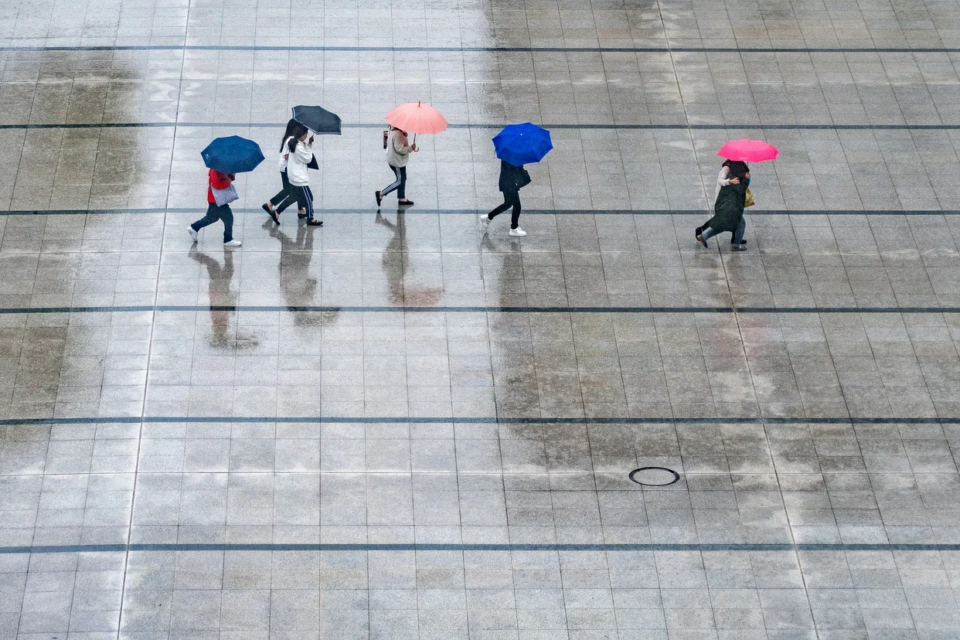
Fairbanks, Alaska, is known for its breathtaking natural beauty and unique weather conditions. Located in the heart of the state, Fairbanks offers a variety of microclimates that make the weather unpredictable and fascinating. These variations in weather are of great interest to residents and visitors alike, affecting everything from recreational activities to agricultural practices. By understanding these unique weather patterns, one can be better prepared and fully enjoy what Fairbanks has to offer.
The influence of geography on weather
Fairbanks is surrounded by a diverse landscape of mountains, rivers and forests, all of which contribute to the region’s unique weather conditions. The Tanana River plays a crucial role in the local climate, with its proximity to water creating humid conditions that can create fog and low clouds. The surrounding mountains act as a barrier against extreme weather conditions, resulting in relatively mild winters compared to other parts of Alaska. However, the valleys can trap cold air, leading to cold spells, especially at night. This interplay of geography and weather makes Fairbanks a fascinating place for meteorologists and weather enthusiasts.
Seasonal variations and their influence
Fairbanks experiences four distinct seasons, each with its own weather patterns and challenges. Winters are long and cold, with temperatures often dropping well below freezing. However, thanks to the microclimate, some parts of Fairbanks can be relatively milder. Spring brings gradual warming, but also unpredictable snowfall and rainstorms. Summers are short but intense, with long days and temperatures that can be pleasantly warm, sometimes even hot. Autumn again brings cooling and beautiful colors, but also the first snowfall. These seasonal variations make it important for residents and visitors to always be prepared for rapid changes in the weather.
Microclimates within the city
Fairbanks itself also exhibits microclimates, where different parts of the city may experience different weather conditions. For example, city centers can be warmer than the suburbs because of the heat island effect, in which urban areas retain more heat than rural areas. On the other hand, areas along the Tanana River can be cooler and more humid. These microclimates are especially noticeable during the transitional seasons, such as spring and fall, when temperature differences are clearly felt within short distances. For those who want to keep track of the weather in Fairbanks over the next 10 days, weather in fairbanks 10 days provides detailed information and forecasts.
Impact on local activities and agriculture
The unique weather conditions in Fairbanks have a significant impact on local activities and agriculture. During the winter months, the cold weather provides excellent conditions for winter sports such as skiing, snowboarding and dog sledding. The long summer days are ideal for outdoor activities such as hiking, camping and fishing. Agriculture in Fairbanks also benefits from the long summer days, which allow for a short but intense growing season. However, farmers must be mindful of unpredictable frosts that can cause crop damage. Understanding these weather patterns helps farmers and recreation planners to be better prepared and adapt their operations to the conditions.
Be prepared for unpredictability
While weather conditions in Fairbanks are unique and fascinating, they can also be unpredictable and challenging. Therefore, it is important for both residents and visitors to be well prepared. This means following weather forecasts, having appropriate clothing for all seasons and understanding the potential risks such as sudden frost or snowfall. Local weather services and online resources provide valuable information and updates that help plan daily activities and travel. By being prepared, people can fully enjoy what Fairbanks has to offer regardless of weather conditions.
The enchanting weather of Fairbanks
Fairbanks offers a fascinating spectrum of weather thanks to its unique microclimates and geographic features. From the influence of the Tanana River to seasonal variations and the impact on local activities, the weather in Fairbanks is both challenging and enriching. For those immersed in local weather conditions, it offers a deeper understanding of how weather affects life in this beautiful region. With proper preparation and understanding, everyone can enjoy the enchanting and sometimes unpredictable weather conditions that make Fairbanks so unique.